What to expect from a drain cleaning appointment
By Petra Vogel · Updated 2026-06-22
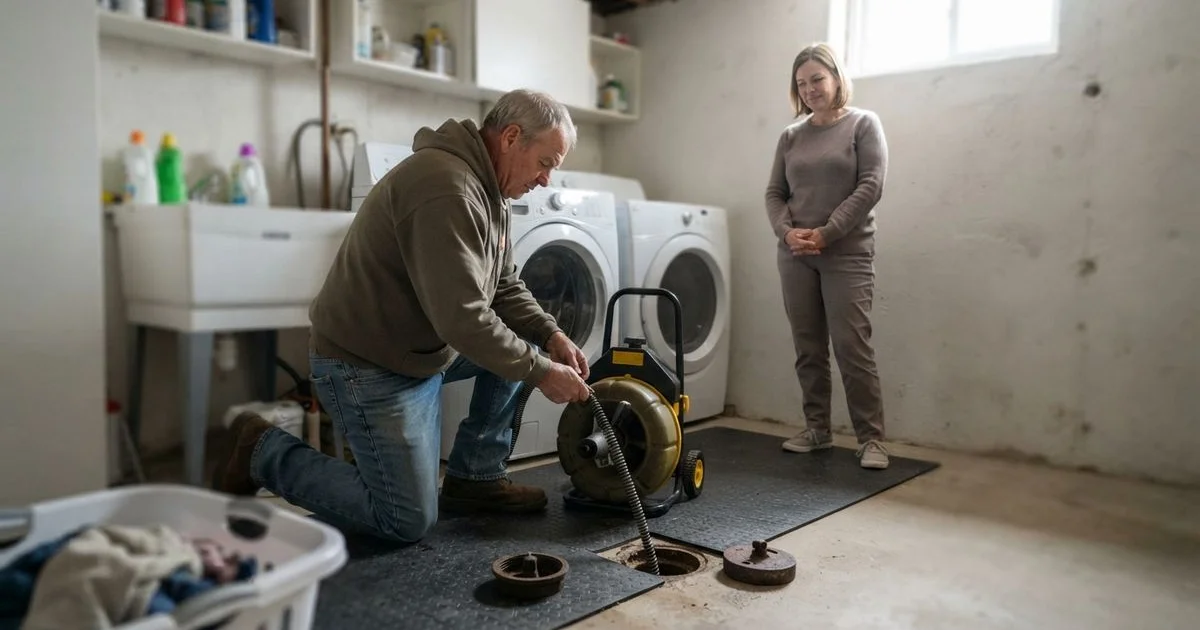
A drain cleaning appointment follows a fairly predictable shape once you’ve seen one, but if it’s your first time it can feel like a lot happens fast. Knowing the sequence in advance makes it easier to ask good questions and understand what you’re being told.
Before the plumber arrives
Most companies ask a few questions when you book: which fixture or drain is affected, whether water is backing up anywhere else in the home, and how long it’s been going on. Answering these accurately helps the plumber bring the right equipment the first time instead of making a second trip.
Clear a path to the affected drain or to the cleanout access point if you know where it is. If you don’t, that’s fine, part of the visit involves the plumber locating it. Plenty of people try a plunger or a basic snake first; the DIY plumbing vs hiring a pro guide covers which clogs are worth tackling yourself and which ones are better left for a visit like this one.
What happens during the visit
- Diagnosis. The plumber checks the affected fixture, asks about the history of the problem, and sometimes runs water to watch how it drains.
- Method selection. Based on what they see, they’ll choose an approach, from a standard cable to a video inspection to high-pressure clearing, and explain why.
- The work itself. This is the noisiest, most visible part, and usually the shortest.
- Confirmation. A good plumber runs water again afterward to confirm the clog is actually cleared, not just pushed further down the line.
- Explanation. You should walk away knowing what caused the clog and whether it’s likely to recur.
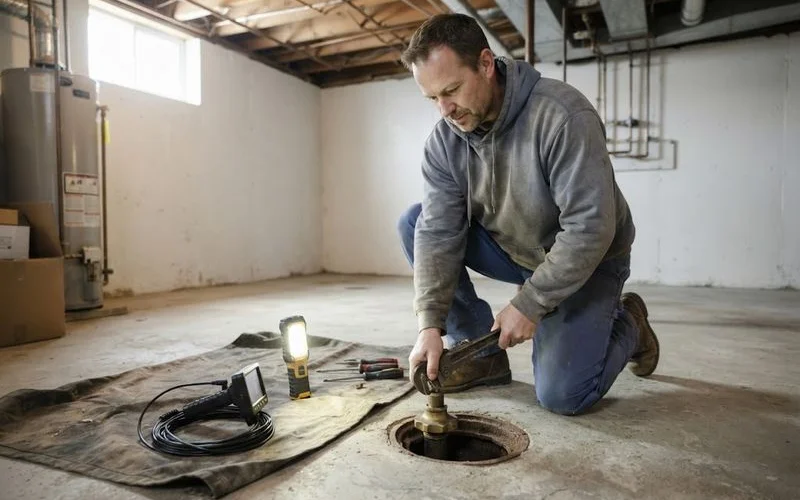
The three common methods, compared
| Method | Best for | What it involves |
|---|---|---|
| Standard cabling | Simple clogs in a single fixture or short run | A flexible cable clears the blockage mechanically |
| Camera inspection | Recurring clogs, unknown cause, older homes | A small video camera identifies cracks, roots, or collapse before any clearing method is chosen |
| High-pressure clearing | Grease buildup, main line clogs, heavier buildup | Pressurized water scours the full width of the pipe, not just a channel through the blockage |
The method a plumber recommends should match what they actually find, not a default they use on every job. If a technician jumps straight to the most expensive option without explaining why a simpler method won’t work, it’s reasonable to ask.
Why the same clog keeps coming back
A drain that clears easily but clogs again within weeks or months usually points to something upstream of the immediate blockage: tree roots working into an older clay or cast iron line, a persistent grease buildup from kitchen use, or a genuine pipe defect like a low spot or partial collapse. This is where a camera inspection earns its cost. Clearing the same symptom repeatedly without ever seeing what’s actually happening inside the pipe means paying for the same visit again and again.
Ontario’s older housing stock, especially homes built before the 1970s, makes this more common than newer construction, since original clay and cast iron lines are more prone to root intrusion and corrosion over decades.
What it typically costs
Pricing follows the method, not just the time on site. A simple cabling job for a single fixture usually costs the least, camera inspection adds a fixed fee for the equipment and the technician’s time reviewing footage, and high-pressure clearing costs more because of the specialized truck and hose setup it requires. Difficult access, like a cleanout buried under landscaping or hidden behind finished walls, adds to any of the three. Ask upfront which method the quote assumes, since a quote based on simple cabling can change quickly if the plumber has to switch methods once they see what’s actually going on inside the pipe.
Getting the most out of the appointment
Ask what the plumber found, not just whether the drain is clear. Ask whether what they saw suggests a bigger repair is coming, and on what timeline. And if a technician recommends replacing a whole section of pipe on the spot, ask to see or hear about what the camera showed first, a reasonable plumber will have no trouble walking you through it.
Listings on this directory are ranked partly on how clearly reviewers say a technician explained the problem, which tracks closely with the kind of visit described above. More on how that scoring works is on the methodology page, and the full directory covers every plumbing category across Ontario.
Questions people ask
- How long does a drain cleaning appointment take?
- A single slow drain often takes 30 to 60 minutes. A main sewer line with camera inspection and hydro jetting can run two to three hours, especially if access is difficult.
- Do I need to be home for the whole appointment?
- Yes, for a residential visit most plumbers want the homeowner reachable throughout, especially if they need to check a fixture or explain what the camera found.
- Will the plumber know what caused the clog?
- Often, yes. Grease buildup, tree roots, and foreign objects each leave a distinct pattern that an experienced technician recognizes, and a camera inspection removes most of the guesswork.
- What should I do to prepare before the plumber arrives?
- Clear access to the cleanout or affected drain, move anything stored nearby, and be ready to describe when the problem started and whether it's happened before.